Amberjack Fishing Charter Wanchese North Carolina
Greater Amberjack Fishing in Wanchese - What to Expect
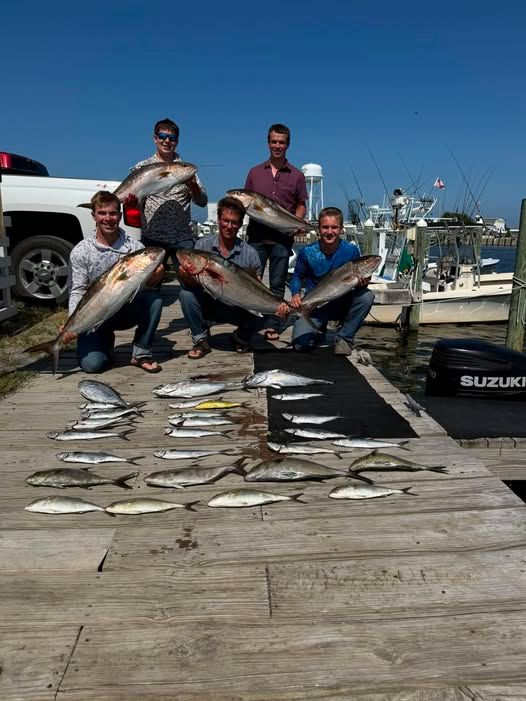
Fishing Charter by Captain Randy Thornton in November
- Book The Top-rated Wanchese Fishing Charters!


Summary
Join Captain Randy Thornton on a fishing charter in Wanchese, NC, where Greater Amberjack are waiting to test your skills. This Saturday morning adventure combines open water tactics with the thrill of landing these powerful Atlantic fighters in one of North Carolina's premier fishing destinations.
Fishing Charter with Captain Randy Thornton - Rates & Booking
Captain Randy Thornton of RipTide Charters on Saturday, October 24th offers an unforgettable Greater Amberjack fishing charter experience. With a licensed guide leading your expedition into Wanchese waters, you'll gain access to proven fishing grounds where these aggressive offshore fighters school and feed with predictable intensity.
RipTide Charters provides everything you need for a successful day on the water. The charter includes professional expertise, tackle setup, and guidance on landing techniques specific to Greater Amberjack behavior. Whether you're a seasoned angler or stepping onto a charter boat for the first time, Captain Thornton's local knowledge ensures you'll understand the strategy behind targeting these coveted species. Contact RipTide Charters to reserve your spot and confirm current rates and availability.
Highlights of Your Amberjack Adventure
This fishing charter showcases what makes Wanchese a destination for serious anglers. You'll experience the dynamic energy of a working fishing community, the open Atlantic stretching to the horizon, and the moment when a Greater Amberjack hits your line with unmistakable force. The satisfaction of successfully battling and landing these powerful fish creates memories that stay with you long after you leave the dock.
The camaraderie among a group of anglers pursuing the same goal adds another dimension to the day. Whether you're fishing with friends, family, or new acquaintances, the shared experience of tracking fish, coordinating casts, and celebrating successful hookups builds genuine connections. Captain Thornton's expertise keeps the energy positive and the action focused, maximizing your chances at genuine trophy moments.
Local Species Insights: Greater Amberjack
Greater Amberjack are among the most exciting fish to pursue in Atlantic waters. These sleek, powerful predators typically inhabit reef structures and wrecks at varying depths, using their muscular builds and aggressive feeding behavior to hunt smaller fish and squid. When conditions align, they feed in concentrated schools, creating periods of intense action that define the best fishing charters.
What makes Greater Amberjack so compelling is their fighting style. They don't just bite and run—they power downward toward structure with determination, forcing anglers to maintain steady pressure and technique throughout the battle. Their silvery bodies streaked with amber hues, combined with their distinctive black stripe running from eye to tail, make them instantly recognizable on the deck. Landing a Greater Amberjack requires respect for the species and trust in your tackle, skills that Captain Thornton's guidance will reinforce throughout your day on the water.
Wanchese provides ideal proximity to the Atlantic fishing grounds where Greater Amberjack thrive. The charter will navigate to productive structure—reefs, wrecks, or natural bottom formations—where these fish congregate. Understanding water temperature, current patterns, and seasonal feeding cycles gives Captain Thornton and RipTide Charters the edge needed to position anglers for consistent opportunities. The morning light reflecting off the water, the steady hum of the boat's engine, and the anticipation of the first hookup create an immersive fishing experience that captures the essence of offshore angling.
Fishing in Wanchese, NC: Greater Amberjack
Greater Amberjack Overview
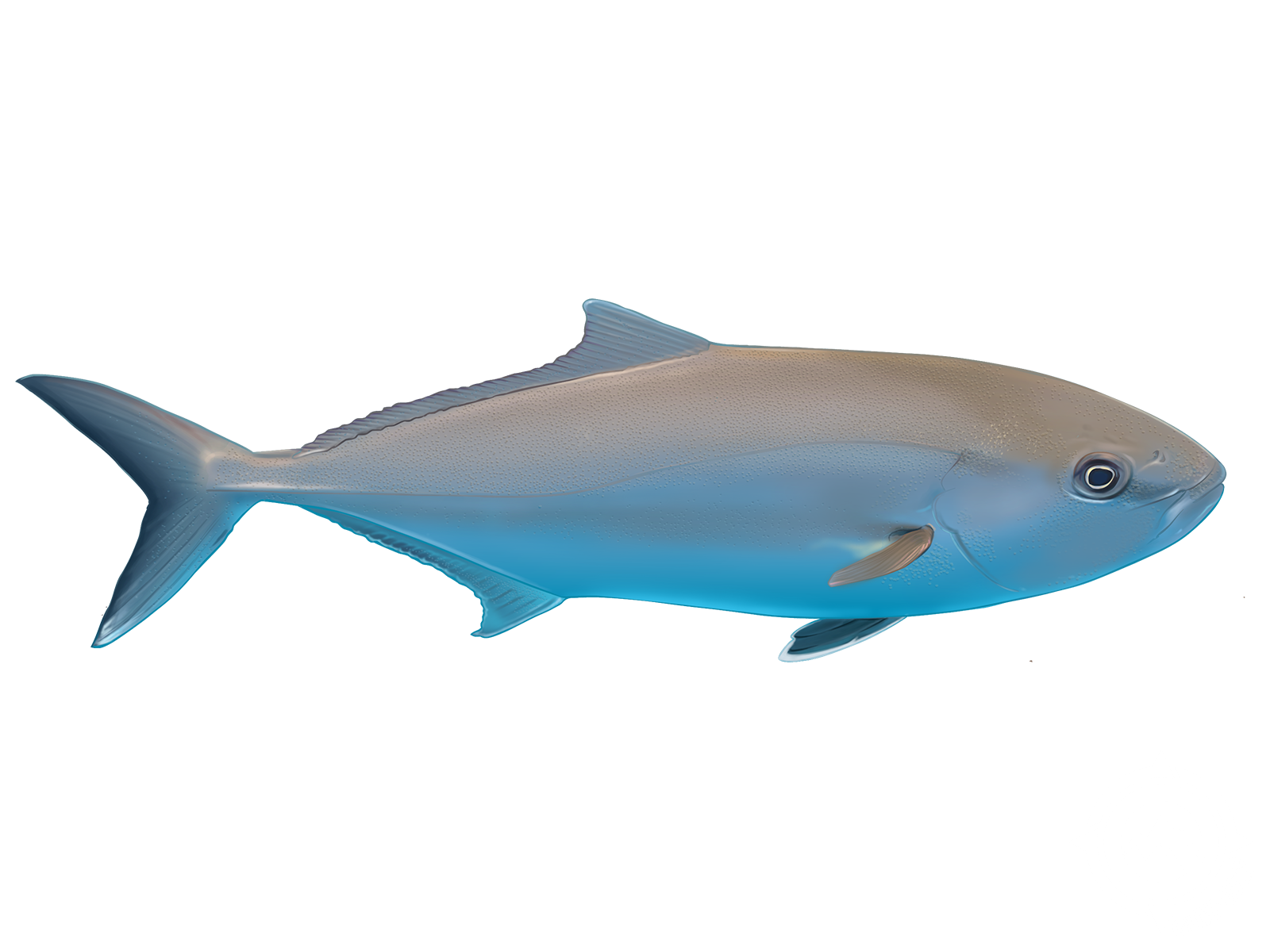
The Greater Amberjack (Seriola dumerili) is a prized saltwater game fish belonging to the family Carangidae and order Perciformes. Known for its distinctive bluish-grey coloring and characteristic amber stripe running along its body, this powerful predator is one of the most sought-after species by recreational anglers across North America. With its slender frame, pointed head, and aggressive feeding behavior, the Greater Amberjack stands out in offshore and reef environments as a true test of skill and endurance. This fish is not only popular for its size—reaching up to 6 feet in length—but also for its high-quality meat and significant commercial value. Whether you're fishing off the Gulf of Mexico or exploring the Caribbean, encountering a Greater Amberjack represents an unforgettable offshore adventure.
Greater Amberjack Habitat and Distribution
Greater Amberjack are found along the eastern coast of the United States in the Atlantic Ocean, ranging through the Gulf of Mexico to the Caribbean Sea. These fish thrive in offshore environments, particularly around reefs and wrecks where they hunt smaller fish and invertebrates. The species is native to these waters and has become a cornerstone of both recreational and commercial fisheries throughout the region. Their preference for structure—whether natural reefs or artificial wrecks—makes them relatively predictable targets for experienced anglers who know how to work these habitats effectively.
Greater Amberjack Size and Weight
These impressive fish typically grow between 60 to 75 inches in length, with weights ranging from 40 to 200 pounds. On average, Greater Amberjack reach around 39 pounds, though larger specimens are regularly caught. They can live up to 17 years in the wild, reaching sexual maturity at approximately 4 to 5 years of age. Interestingly, female Greater Amberjack tend to grow larger and live longer than their male counterparts, making them particularly prized catches for trophy-focused anglers.
Greater Amberjack Diet and Behavior
As apex predators in their marine ecosystem, Greater Amberjack are aggressive and opportunistic feeders. Their diet consists primarily of smaller fish and marine invertebrates, including squid, crustaceans, sardines, and bigeye scad. This species is not particularly picky about its prey, which works to the advantage of anglers using a variety of lures and baits. The fish display explosive feeding behavior, particularly when excited or competing for food, which is when the distinctive dark amber stripe on their head becomes even more pronounced. Their position at the top of the marine food chain means they accumulate higher levels of natural toxins, which is worth considering for culinary purposes.
Greater Amberjack Spawning and Seasonal Activity
The Greater Amberjack spawning period occurs from April through May, making spring an exciting time for offshore anglers. During this reproductive season, fish congregate in deeper waters and may be more aggressive as they prepare for spawning events. Understanding this seasonal pattern helps anglers time their trips for optimal encounters with active, feeding fish. The species maintains relative activity throughout the year in offshore and reef environments, though spring and early summer typically offer the best combination of accessibility and aggressive behavior.
Greater Amberjack Techniques for Observation or Capture
Trolling and Drifting: One of the most effective methods for Greater Amberjack involves trolling or drifting over known reef and wreck structures. Anglers use heavy rods and reels with lines testing 50 pounds or more, equipped with metal jigs, spoons, or plugs. This technique allows you to cover water systematically and present lures at the right depth where these fish patrol. Around popular offshore destinations along the Gulf Coast, guides often recommend drifting with live baitfish—particularly sardines or other small fish—which consistently produce results due to the species' predatory nature.
Casting and Light Tackle: Experienced anglers can achieve success with lighter spinning and baitcasting rigs, and even fly rods in certain conditions. Jigs, poppers, and fly streamers work exceptionally well when casting around wreck structures or reef formations. This method requires precision and patience but offers the added excitement of sight-casting and feeling direct strikes through lighter tackle. The key is accurate placement near structure combined with aggressive retrieves that trigger competitive feeding responses.
Live Baitfish Presentation: Whether using heavy or light tackle, presenting live baitfish—particularly larger specimens—remains one of the most reliable techniques for targeting Greater Amberjack. Live fish appeal to their predatory instincts and often outperform artificial lures, especially when fishing deeper wreck environments where the fish may be less reactive to visual stimuli. Slow presentations that allow the baitfish to move naturally often result in explosive strikes.
Greater Amberjack Culinary and Utilization Notes
Greater Amberjack is greatly prized for its high-quality meat and represents one of the most commercially important species around the Mediterranean, and in North and South America. The flesh is firm, mild, and versatile for cooking, making it popular in both recreational and commercial markets. However, potential anglers should be aware that as an apex predator, Greater Amberjack can accumulate ciguatera toxins, particularly in larger specimens from tropical waters. This doesn't prevent consumption, but it's worth researching specific locations and considering fish size when deciding whether to keep your catch for culinary purposes. Many anglers practice catch-and-release to preserve populations while still enjoying the thrill of the fight.
Greater Amberjack Frequently Asked Questions
Q: What is the best bait for catching Greater Amberjack?
A: Live baitfish such as sardines, bigeye scad, and other small fish are highly effective, particularly when using heavy tackle in deeper water. Metal jigs, spoons, and large plugs also work well for anglers who prefer artificial lures. The key is matching the size and presentation to the fishing conditions—what works on a shallow reef may differ from what succeeds over a deep wreck.
Q: Where can I find Greater Amberjack fishing opportunities in the Gulf of Mexico?
A: Greater Amberjack are abundant throughout the Gulf of Mexico, particularly around established offshore reefs and wreck structures. Popular destinations include areas off the Florida panhandle, Louisiana coast, and throughout the Caribbean. Charter services and local fishing guides can direct you to productive locations based on current conditions and seasonal patterns.
Q: Is Greater Amberjack good to eat?
A: Yes, Greater Amberjack has high-quality, firm white meat that is excellent for grilling, baking, or pan-searing. However, larger fish from tropical waters may carry ciguatera toxins, so it's advisable to research your specific fishing location and consider the size of your catch. Many anglers enjoy the culinary aspect, while others practice catch-and-release for conservation and the pure sport of fishing.
Q: When is the best time to catch Greater Amberjack?
A: While Greater Amberjack are available year-round in offshore and reef environments, spring (April through May) is particularly productive as they prepare for their spawning season and display aggressive feeding behavior. Summer and early fall also offer excellent opportunities, with the species remaining active as long as water temperatures remain stable and reef structures provide adequate hunting grounds.
Q: What tackle should I use for Greater Amberjack?
A: Heavy tackle with 50-pound test or higher is standard, especially for offshore wreck fishing where larger specimens and snag hazards are common. However, experienced anglers can succeed with lighter spinning or even fly tackle in shallower reef environments. The choice depends on your skill level, the specific fishing location, and whether you're targeting trophy-size fish or simply seeking an active, exciting experience.
Q: How long do Greater Amberjack live, and when do they mature?
A: Greater Amberjack can live up to 17 years in the wild, reaching sexual maturity around 4 to 5 years of age. Females generally grow larger and live longer than males, making them particularly valuable in terms of breeding populations. Understanding their life cycle helps anglers practice responsible catch-and-release, particularly for younger fish that haven't yet contributed to spawning aggregations.